Dental anxiety is common and treatable. Most fears center on pain, needles, loss of control, or embarrassment about skipped visits. A comfort-first family dentist eases those fears with clear explanations, numbing gels, slower pacing, calming amenities like headphones and blankets, and sedation options such as nitrous oxide or oral sedation.
Many People Feel Nervous About Going to the Dentist
Fear of the dentist is more common than most people realize. According to the Cleveland Clinic, about 36% of people have some degree of dental anxiety, and another 12% live with extreme dental fear. That fear often leads to skipped checkups, giving small, easily treated problems time to become painful ones. The most common triggers include:
- Fear of pain: Often tied to an uncomfortable visit from childhood.
- Needle anxiety: The sight of an injection can feel worse than the procedure itself.
- Loss of control: Lying back with limited ability to speak can feel confining.
- Sensory overload: Drill sounds, bright lights, and clinical smells can trigger a stress response.
- Embarrassment: Worry about being judged after years away from the dentist.
Dental phobia is more intense than everyday dental anxiety. It can cause panic, a racing heart, or complete avoidance of care, and it may call for sedation, a slower step-by-step plan, or support from a therapist who treats anxiety.
Comfort Amenities and Sedation Options Help Nervous Patients Relax
Comfort-focused dental offices now treat relaxation as part of care rather than an afterthought. Patients searching for a dental clinic Woodridge residents recommend can ask about amenities such as:
- Noise-canceling headphones or personal playlists to mask drill sounds
- Warm blankets and neck pillows for longer visits
- Ceiling-mounted screens that keep the mind occupied
- Topical numbing gel applied before any injection
For deeper fear, sedation adds another layer of relief. The three most common options compare as follows:
| Sedation Option | How It Is Given | How Patients Feel | Recovery |
| Nitrous oxide (laughing gas) | Inhaled through a small nose mask | Calm and relaxed, but fully aware | Wears off within minutes; most patients can drive home |
| Oral conscious sedation | Prescribed pill taken about an hour before the visit | Drowsy and deeply relaxed, yet able to respond | Several hours; a driver is needed |
| IV sedation | Medication given through a vein and adjusted in real time | Very relaxed, often with little memory of treatment | Several hours; a driver and rest are needed |
The right sedation choice depends on anxiety level, medical history, and procedure length. Not every office offers nitrous oxide, oral sedation, and IV sedation, so it helps to ask which options are available during a consultation.
Which Core Techniques Make Dental Visits Feel Less Stressful?
- Clear Communication at Every Step
Uncertainty fuels anxiety, so explaining each step before it happens is one of the most effective calming tools in dentistry. Many dental teams use the tell-show-do method: describe the step, show the instrument, then begin. Agreeing on a stop signal, such as a raised hand, gives patients a reliable way to pause treatment at any moment.
- Gentle Pacing That Keeps Patients in Control
Rushing a nervous patient almost always backfires. A patient-focused family dentist will build in short breaks, wait for numbing to take full effect, and split longer treatments into shorter visits when needed. Starting with a simple exam or cleaning helps anxious patients rebuild trust one appointment at a time.
- A Welcoming Clinical Environment
The setting shapes how a patient feels before treatment even begins. Soft lighting, a calm waiting area, friendly front-desk staff, and treatment rooms that feel less clinical all help lower stress. Even scheduling plays a role, since an early appointment leaves less time to worry throughout the day.
Nervous Patients Prepare for a Calmer Dental Visit
A little preparation makes any dental appointment feel more manageable:
- Share your fears when booking: This lets the team plan extra time and comfort measures.
- Skip caffeine beforehand: Coffee and energy drinks can intensify jitters.
- Practice box breathing: Inhale for four seconds, hold for four, exhale for four, and hold for four, repeating for two to three minutes.
- Bring support: A trusted friend or a favorite playlist can make the chair feel less isolating.
- Write down questions: Knowing the plan removes much of the fear of the unknown.
A Family Dentist Helps Children Avoid Dental Fear
Many adult fears begin in childhood, which is why early positive visits matter so much. A 2021 systematic review in the International Journal of Paediatric Dentistry estimated that about 23.9% of children and adolescents worldwide experience dental fear and anxiety. The American Dental Association recommends a first visit within six months of the first tooth, and no later than age one.
A family dentist in Woodridge can keep early visits short and playful, use gentle words in place of “shot” or “drill,” and celebrate small wins. Parents can help by staying calm, keeping their own dental fears private, and never using the dentist as a threat.
What Should Anxious Patients Do During a Dental Emergency?
Sudden tooth pain can turn mild nervousness into panic, which often leads people to delay care. Waiting on a cracked tooth, an abscess, or a knocked-out tooth usually makes treatment more involved. An emergency dentist in Woodridge that patients can reach the same day will focus on relieving pain quickly while explaining each step calmly. Call a dentist promptly for:
- Severe or throbbing pain that over-the-counter relief does not ease
- Swelling in the face, jaw, or gums
- A knocked-out tooth, ideally kept moist in milk and seen within an hour.
- A cracked tooth with sharp pain when biting
Facial swelling that affects breathing or swallowing needs a hospital emergency room right away.
Key Takeaways for Overcoming Dental Anxiety
Dental anxiety does not have to decide whether someone gets the care they need. The most useful steps are simple: name the fear when booking, ask about comfort amenities and sedation, start with a basic exam, and never wait out serious dental pain. Parents can also help children avoid fear by scheduling positive visits early. Which part of a dental visit causes the most worry, and what one change would make the next appointment feel manageable? Answering that question is often the first step toward a calmer experience in the dental chair.
Ready for a Calmer Dental Visit in Woodridge?
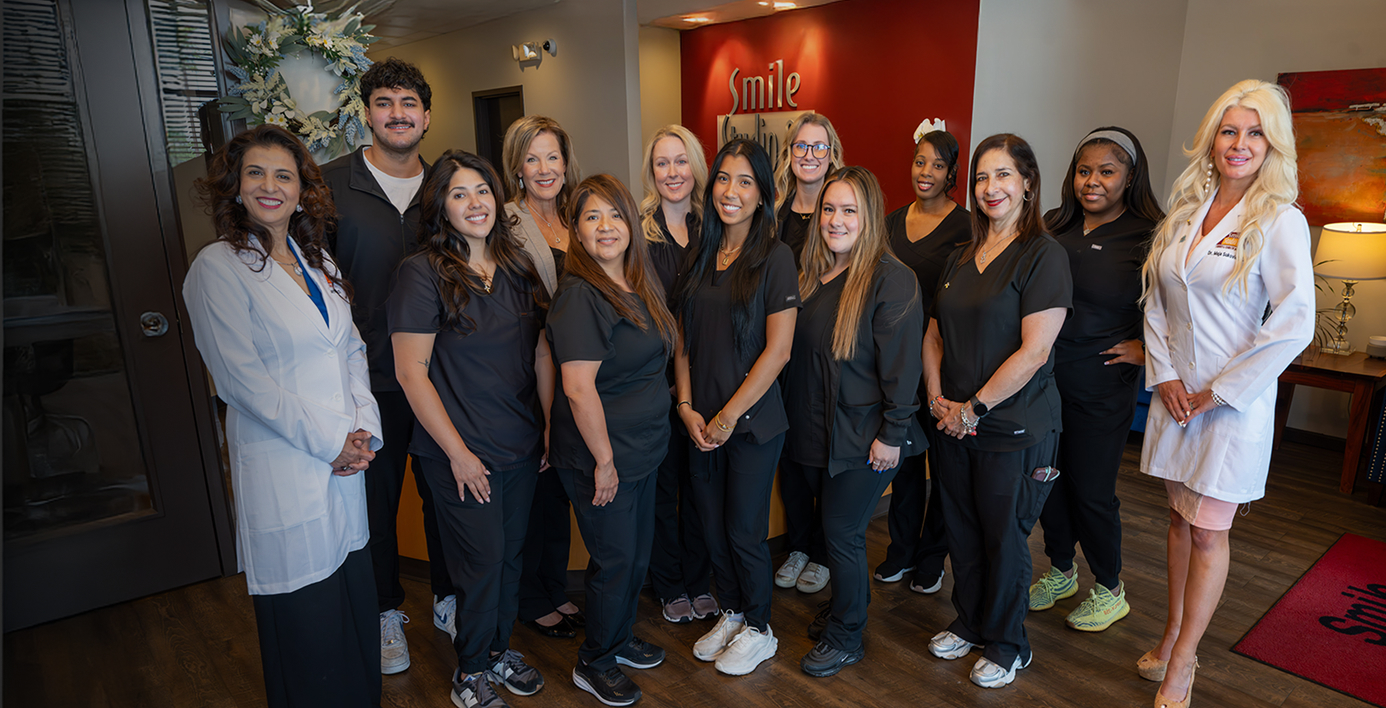
Smile Studio 87 believes no one should have to grit their teeth through a dental visit. As a family dentist in Woodridge, the team listens first, explains every step, and adjusts the pace to each person’s comfort. If fear has kept you away for months or even years, they will welcome you without judgment. Call Smile Studio 87 or book a no-pressure consultation today, and take the first step toward a healthier, calmer smile.
Frequently Asked Questions
1. How does a local dental clinic help patients who experience severe phobia or panic during dental visits?
A supportive dental clinic Woodridge locals visit can start with a no-treatment meet-and-greet, agree on a stop signal, book extra time, and discuss sedation. For severe phobia, care is often broken into short, gradual steps that build confidence.
2. What comfort amenities and sedation options are available for nervous patients at Smile Studio 87?
Smile Studio 87 focuses on comfort-first care, including clear explanations, gentle pacing, and numbing gel before injections. Sedation choices, such as nitrous oxide or oral sedation, are reviewed with each patient based on health history and anxiety level.
3. I haven’t been to the dentist in years out of fear. Will I be judged at your Woodridge family practice?
Not at all. Long gaps between dental visits are common, and the Smile Studio 87 team focuses only on what comes next. Patients receive a clear, kind explanation of their oral health and a care plan that moves at their pace.
4. Can an emergency dentist in Woodridge accommodate me quickly if my anxiety is triggered by sudden tooth pain?
Yes. An emergency dentist Woodridge residents rely on usually sets aside time for urgent cases. Mentioning anxiety during the call helps the team prioritize pain relief, explain each step, and offer comfort options right away.
5. What gentle techniques do modern family dentists use to minimize pain during procedures?
Common techniques include topical numbing gel, slow anesthetic delivery, waiting for complete numbness, and frequent breaks. A thoughtful family dentist Woodridge families visit also checks in often and pauses whenever a patient signals discomfort.
6. How can I mentally prepare for my appointment at a stress-free Woodridge dentistry office?
Write down questions, share fears when booking, skip caffeine, and practice box breathing for a few minutes before arriving. Calming music on the drive and a trusted companion in the waiting room can also ease nerves.
7. Is sedation dentistry safe for most patients visiting a dental clinic Woodridge?
For most healthy patients, dental sedation is considered safe when a trained provider reviews medical history and medications beforehand and monitors breathing and oxygen levels throughout. Nitrous oxide is the mildest common option and wears off within minutes.
8. How does a family dentist help children overcome or prevent dental anxiety early on?
Early, positive visits make the biggest difference. A family dentist Woodridge children feel safe with uses the tell-show-do method, kid-friendly language, and short appointments, while parents help by staying calm and avoiding scary dental stories at home.
9. What should I do if a dental emergency happens after hours and my anxiety is spiking?
Call the dental office first, since many practices provide after-hours instructions or on-call support. Slow breathing can steady a racing heart, and a cold compress can ease swelling. Go to an emergency room if swelling affects breathing or swallowing.
10. How can I schedule a low-stress consultation if I am too nervous to come into the office initially?
A phone call, email, or online booking form allows questions to be answered from home first. Many offices also offer a brief meet-and-greet with no treatment, so patients can see the space and meet the team before committing.